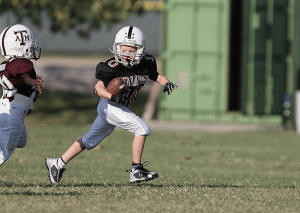
 When considering what equipment to buy for sports, first to mind is typically cleats, balls and clothing. However, RVA Pediatric Dentistry in Richmond Va. wants you to remember that one other item should be considered: a mouthguard.
Across the U.S., more than 30 million children participate in sports through their school or community programs. Although it can be a great way to stay healthy, injuries can happen, particularly if the proper safety equipment isn’t worn.
The National Youth Sports Foundation for Safety has reported that dental injuries are the most prevalent type of facial injury while children play sports. One simple way to avoid such injuries is through a properly fitted mouthguard.
Why wear a mouthguard while playing sports?
Those playing a sport where contact or impact is likely to occur without a mouth guard are up to 60 times more likely to injure their teeth while playing, which can lead to lasting damage to the mouth.
The American Dental Association recommends mouth guards for 29 sports including basketball, field hockey, football, gymnastics, ice hockey, skateboarding and soccer. Infield baseball and softball members may also benefit from wearing custom mouth guards.
What issues can a mouth guard help avoid?
Typically, dental injuries fall into three major categories:
- Fractures: A type of injury that may involve a chipped or broken tooth. Fractures are the most often occurring mouth injury in contact sports.
- Avulsions: This injury involves the complete displacement of the tooth from the socket.
- Luxation: An injury that often involves one extruded or intruded tooth that appears longer or shorter than surrounding teeth.
Why proper mouth guard fit is important?
In addition to preventing dental injuries, a properly fitted mouthguard can help lower concussion rates.
To see the best results, the American Dental Association suggests athletes wear a custom mouth guard fitted at a dentist or orthodontist’s office. Pre-formed or boil-and-form mouth guards from supermarkets often don’t shape properly to an athlete’s mouth, which can exacerbate injuries.
The most effective mouthguard should be comfortable, resistant to tearing and resilient. It should fit your athlete’s mouth properly and should not restrict speech or breathing.
How can a dentist help with a mouth injury if it happens?
Although mouthguards are a great preventative measure, they are not a fail-safe. If your child happens to obtain a mouth injury through a sport, RVA Pediatric Dentistry can help.
It is important to remember that time is crucial when it comes to dental injuries. For the best outcome, take your injured athlete to the dentist within two hours of an occurrence.
If your child suffers a sports-related tooth injury, contact us right away at (804) 220-6188. Our team of dental experts will determine what steps to take and will communicate that with you to ensure your child’s health and function is as optimal as possible.